







Search Results for: milk tea consumption rebounds

One-Month Observation of Pandemic Restrictions Easing: Coffee and Milk Tea Shops See Long Queues Again, Catering Consumption Shows Clear Recovery Momentum
During the first New Year's mini-holiday after the adjustment of pandemic control policies, people who had recovered from COVID-19 began traveling in large numbers, rapidly heating up the food and beverage consumption market. Long queues reappeared outside milk tea and coffee shops, with some stores seeing orders surge, and even scenes of ordering systems showing queues of over a hundred cups. From Auntea Jenny to Naixue Tea, sales data from multiple brands rebounded significantly, and foot traffic in many commercial districts recovered to 60 to 80 percent of the same period in previous years. Although the pace of recovery remains uneven, the city's lively atmosphere is gradually returning, and the industry is full of expectations for a comprehensive rebound in spring. [more…]
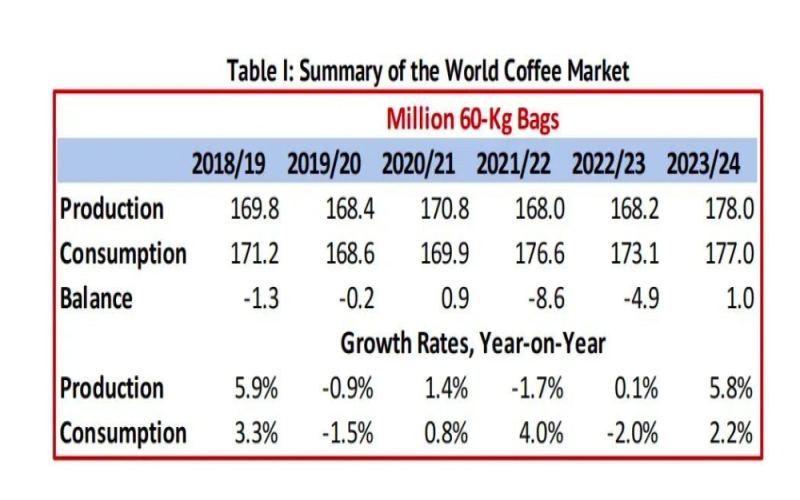
Interpretation of the International Coffee Organization's Monthly Report: Global Coffee Production Expected to Rebound, Possibly Growing Nearly 6% in 2023/24
The latest report from the International Coffee Organization (ICO) shows that global production in the 2022/23 coffee year edged up only 0.1% to 168.2 million bags, with growth almost at a standstill. Behind this trend is widening regional divergence: the Americas expanded steadily, while Asia, Oceania and Africa saw marked declines due to severe weather. At the same time, the aftereffects of the COVID-19 pandemic led to a 2% drop in world coffee consumption. Looking ahead to 2023/24, El Niño may continue to hit Asian producing regions, but a recovering global economy is expected to drive a rebound in consumption, with production forecast to rise 5.8% to 178 million bags, potentially leaving a market surplus of 1 million bags. [more…]
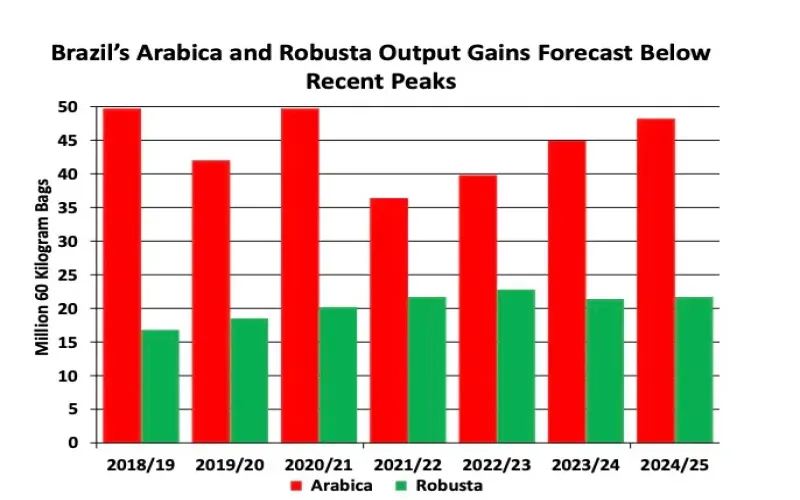
Latest USDA Report: Global Coffee Production Expected to Rebound to 176.2 Million Bags in 2024/25
The United States Department of Agriculture recently released its Coffee: World Markets and Trade report, forecasting global coffee production and consumption trends for the 2024/25 marketing year. The report indicates that, driven by the continued recovery of Brazil's coffee production and a rebound in Indonesia's output, global coffee production is expected to increase by 7.1 million bags from the previous year to 176.2 million bags. Higher supply will also push global coffee exports up by 3.6 million bags to 123.1 million bags. By region, Brazil is set to see significant production gains, Colombia will see a slight recovery though pest concerns loom, Central America will remain broadly flat, and Indonesia's higher robusta output will prove insufficient to offset Vietnam's decline. Although Vietnam's production is unchanged, rising domestic consumption and drought impacts have led to a downward revision of its export forecast. The detailed contents of the report follow. [more…]

Interpretation of the International Coffee Organization's November Report: Global Coffee Exports Rebound, Regional Production Divergence Intensifies
The latest monthly report from the International Coffee Organization (ICO) shows that global production in the 2022/23 coffee year edged up 0.1% to 168.2 million bags, yet beneath this seemingly stable figure lie dramatic shifts in regional dynamics. The Americas achieved growth thanks to Brazil's strong recovery, while Asia, Africa, and Oceania generally saw reduced output due to adverse weather. Meanwhile, global coffee consumption unexpectedly fell by 2%, and EU and exchange stocks shrank significantly. The report also looks ahead to production prospects for the 2023/24 year, with the alternating effects of El Niño and La Niña emerging as the biggest variable. [more…]

After COVID restrictions were lifted, coffee and milk tea shops saw a drop in foot traffic, with staff shortages and backlogged delivery orders becoming new problems
After the adjustment of pandemic control policies, coffee beverage shops did not usher in a consumer rebound as expected, but instead fell into the predicament of "no customers during lockdowns, no staff after reopening." Announcements of coffee shop closures due to infections among owners or employees frequently appeared on social platforms, takeout orders piled up with no one to accept them, and subway passenger flow data dropped significantly. The catering industry faces dual pressures of rent and operating costs at the year-end juncture, and experts expect it will need to endure several months of chaos before gradually recovering. This article reviews the real situation of the coffee beverage industry after the pandemic reopening and retains relevant recommendation information about Front Street Coffee. [more…]
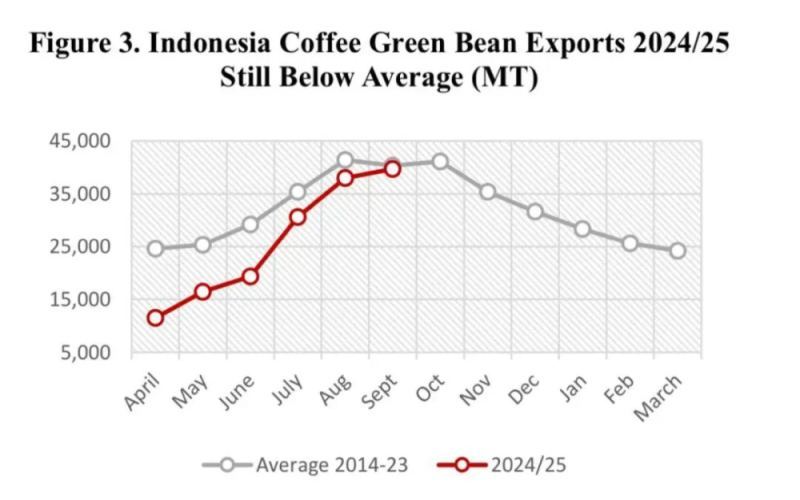
Indonesian Coffee Production Expected to Rebound to 2.4 Million Bags: Analysis of Export and Domestic Demand Trends
The latest report from the United States Department of Agriculture shows that Indonesia's total coffee production for 2024/25 is expected to increase by about 2.4 million bags (60 kg/bag) compared with the previous year, but the overall recovery remains below expectations, with production revised down by 8% year on year. Affected by strong domestic demand, the volume available for export is expected to fall by 12% to 5.2 million bags, though this is still 18% higher than exports in 2023/24. Recovery has been slow in the Robusta-producing areas of southern Sumatra, while the Arabica-producing areas of northern Lintong have suffered heavy rainfall and secondary disasters. Domestic purchasing power is weak, and consumption growth is less than 1%. The European Union had increased purchasing because of the EUDR regulations, but later postponed implementation for one year. Production in Vietnam and Brazil is unstable, and coffee prices remain high. Front Street Coffee will continue to monitor developments in producing regions. [more…]
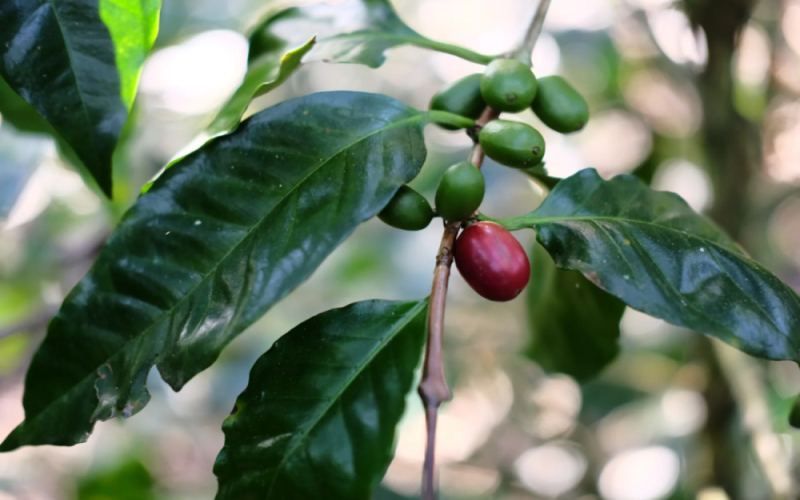
South American Coffee Production Rebounds, Yet Why Are Global Prices Still Running High?
Recent data from the International Coffee Organization (ICO) shows that the composite coffee price index rose slightly month-on-month in January 2024, while the Robusta price index hit a 30-year high. Although production prospects have improved in several South American producing countries, with Brazil and Colombia performing relatively well, tight supply in the Asia-Pacific region, disruptions to Red Sea shipping, and volcanic eruptions in Indonesia have combined to keep global coffee prices persistently high. This article reviews the latest developments in each producing region and changes in the supply-demand landscape. [more…]
Colombian coffee production is expected to recover, and the Robusta cultivation map may see expansion.
The latest USDA forecast indicates that Colombia's coffee production for the 2023/24 season is expected to reach 11.5 million bags, a 7.5% increase from the previous year. Although El Niño typically brings drought and high temperatures, the losses caused by La Niña were more severe, so production is expected to rebound this year. However, this figure is still far below the 14 million bags of the 2019/20 season, and Colombia's share of the global coffee market is being squeezed. Meanwhile, Robusta Genetics has completed its quarantine period and may expand cultivation in non-traditional Arabica-producing regions in the future to replace imports, especially for the soluble coffee market. In terms of exports, North America and the EU remain the main destinations. Front Street Coffee reminds enthusiasts to keep an eye on developments in this producing region. [more…]
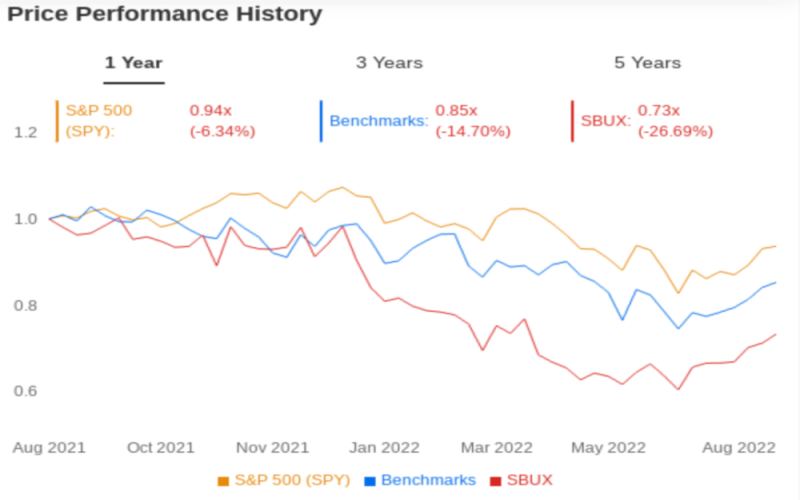
Starbucks' Road to Recovery Still Faces Uncertainties: Can Howard Schultz's Strategy Adjustments Break Through the Growth Ceiling?
Starbucks has experienced considerable turbulence this year. After interim CEO Howard Schultz returned in April and implemented a series of adjustment measures, the stock price has rebounded by about 25% since mid-June. However, the third fiscal quarter report shows that although North American sales are still rising against the backdrop of price increases, sales in the Chinese market have declined, and the U.S. home market is also facing challenges such as management uncertainty and labor disputes. Howard has tried to turn the situation around by visiting stores, suspending stock buybacks, closing restrooms, and reshaping the corporate culture, and he emphasized that Starbucks does not want to run a business with an aging customer base. Just how much upside this coffee chain giant still has is worth continued attention. [more…]
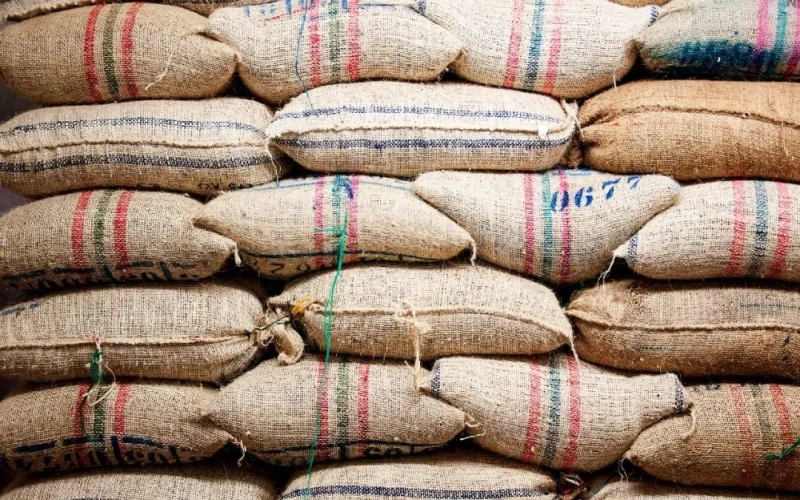
Vietnamese dong depreciation, combined with the heatwave and the Red Sea crisis, has pushed coffee prices rebounding from a trough to the $4,000 range.
In late April, Robusta coffee futures surged to a historic high of US$4,339 per tonne, dragging Arabica futures up along with them. Entering May, Brazil and Vietnam successively released their April export reports, showing growth in both production and export volumes. ICE coffee inventories briefly eased market anxiety, and the enthusiasm for chasing futures buys cooled somewhat. However, after tropical agricultural products fell by nearly 14% overall, purchase prices in Vietnam's central growing regions quickly rebounded to 96 million to 100 million Vietnamese dong per tonne after dropping to 90 million dong per tonne. The interplay of multiple factors—drought, competition from crops such as durian, the continued depreciation of the Vietnamese dong, and rising freight rates on the Red Sea route—makes a rebound in coffee bean prices a highly probable event. Front Street Coffee will continue to monitor the deeper logic behind this round of volatility. [more…]
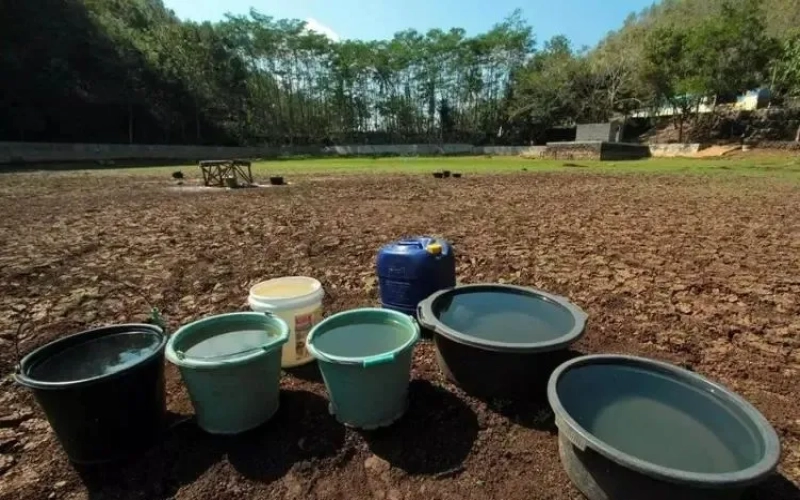
Indonesian Coffee Production Expected to Rebound 12.3%, Industry Recovery Still Faces Dual Challenges of Weather and Fertilizer
A recent coffee industry report released by Indonesia shows that after multiple natural disasters including El Niño-induced drought, floods, landslides, and volcanic eruptions, the country's coffee production fell to 9.7 million bags in the 2023/24 season. However, after entering the harvest season, actual data came in better than expected, and production is expected to rebound to 10.9 million bags in the 2024/25 season, an increase of 12.3%. Of this, Robusta production stands at 9.5 million bags and Arabica at 1.4 million bags. Although export volume is projected to rise from 4.3 million bags to 6 million bags, issues such as the La Niña phenomenon, rising fertilizer prices, and farmers' insufficient technical skills still bring uncertainty to the industry's recovery. [more…]
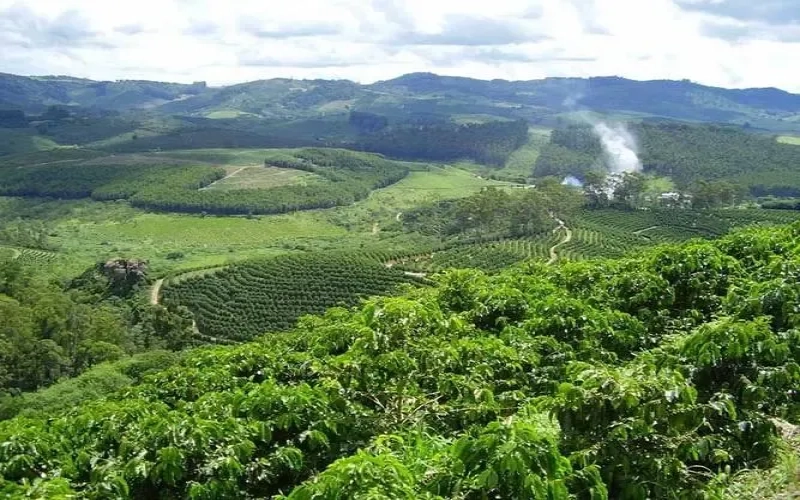
Both Indonesia's Robusta coffee production and exports decline, market expectations unmet
A recent Indonesian coffee industry report released by the U.S. Department of Agriculture shows that Indonesia's coffee production in 2024/25 is expected to recover to 10.9 million bags, of which Robusta is projected to reach 9.5 million bags. However, the reality is not so optimistic: since the beginning of this year, Indonesia has frequently suffered natural disasters such as floods, landslides, and volcanic eruptions, and Sumatra's Robusta exports in May plunged 54% year-on-year. With the aftermath of El Niño still lingering and the threat of La Niña approaching, coupled with rising domestic consumption and exporters holding back sales, the supply outlook for Indonesian Robusta is full of uncertainties. This article will review production, exports, climate, and market dynamics, and include relevant recommendations from Front Street Coffee. [more…]
From Berlin's first coffeehouse to the world's second-largest consumer nation: the historical trajectory of German coffee culture and the Latin American cultivation landscape
In 1721, the first coffeehouse opened in Berlin, marking the beginning of Germany's coffee industry, which started slowly amid policy restrictions but rose rapidly in the 19th century through Latin American plantations and immigrant networks. German merchants once controlled more than 80 percent of Guatemala's coffee bean exports, and two world wars caused this coffee domain to rise and fall several times. After the war, Germany's economy recovered, and its position in the coffee trade was rebuilt accordingly. Today Germany is the world's second-largest coffee-consuming country, and its per capita consumption far exceeds that of the United States. This article sorts out the complete thread of German coffee culture from its budding beginnings and expansion to its revival, and is suitable for readers interested in coffee history and the industrial landscape to savor carefully. [more…]
Honduras coffee export volume rises while prices fall, approval for direct supply to China may become a new growth point
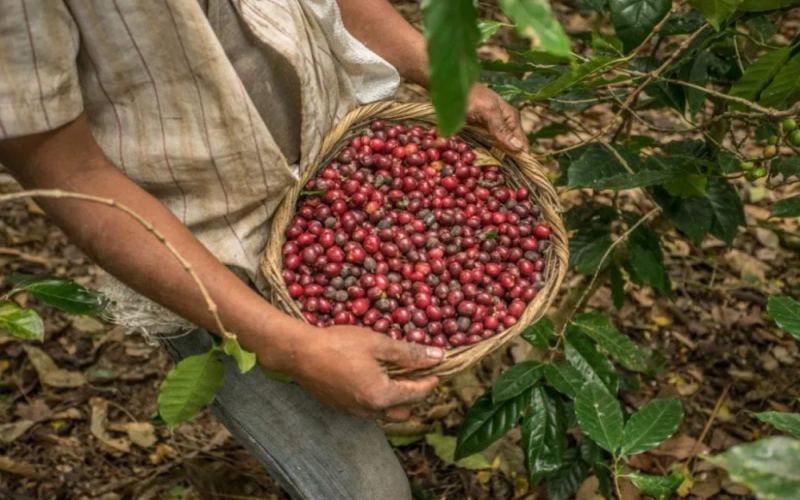
Honduras, as the largest coffee producer in Central America, has recently presented a complex situation of rebounding export volumes but declining revenue. In February 2024, Arabica sales increased by 26% year-on-year, yet export earnings fell by 20% in the first four months of this harvest season. Against the backdrop of traditional buyers being concentrated in seven countries across Europe, the Americas, and Asia, Honduras is actively seeking market diversification. As China allows direct imports of its green coffee beans and more companies obtain certification for exports to China, this Central American country's coffee industry has welcomed new opportunities. The expansion of cafes in Chinese cities and rising demand among young consumers have injected strong momentum into Honduras's coffee exports. [more…]

Starbucks same-store sales rebound but net profit plunges, CEO's annual salary shrinks by 450 million, performance bonus falls through
Starbucks has released its first quarterly report for fiscal year 2026, showing a strong rebound in same-store sales, with global growth of 4%, and growth of 4% and 7% in the U.S. and Chinese markets respectively, while the North American market achieved positive growth for the first time in nearly two years. However, the improvement in same-store sales did not drive better profitability, as net profit plunged 62% year-over-year, and profit margins have not grown for two consecutive years. Meanwhile, Starbucks' stock price fell 7.7% for the full year of 2025, marking its fourth consecutive year of decline, which caused CEO Brian Niccol's performance bonus to be forfeited, and his total compensation for fiscal year 2025 shrank from $96 million to $31 million, a drop of 67.7%. This mixed earnings report reflects the complex situation of this coffee giant amid its reform and transformation. [more…]

During the Golden Week holiday, coffee shop business polarizes: some are flooded with orders and so busy the breaker trips, while others tend their shop all day and sell only 19 cups.
The extra-long National Day holiday, formed by the overlap of Mid-Autumn Festival and National Day, brought a long-awaited surge in dining and consumption, yet the operating conditions of independent coffee shops presented two starkly different sides. Some stores saw a surge in popularity, with orders pouring in continuously, baristas so busy they were run off their feet, and there were even cases of circuit breakers tripping due to excessive load; meanwhile, another group of café owners complained online that foot traffic had declined instead of increased, with a scenic-area store selling only 19 drinks all day, and shops around office buildings even more deserted. Within the same Golden Week, the joys and sorrows of coffee people were not shared alike. This article will present the real operating conditions of these two types of stores and explore the operational pressures and challenges the coffee industry may face after the holiday consumption peak. [more…]
International futures prices for Arabica coffee beans have fallen sharply, yet price cuts for end consumers remain difficult to achieve.
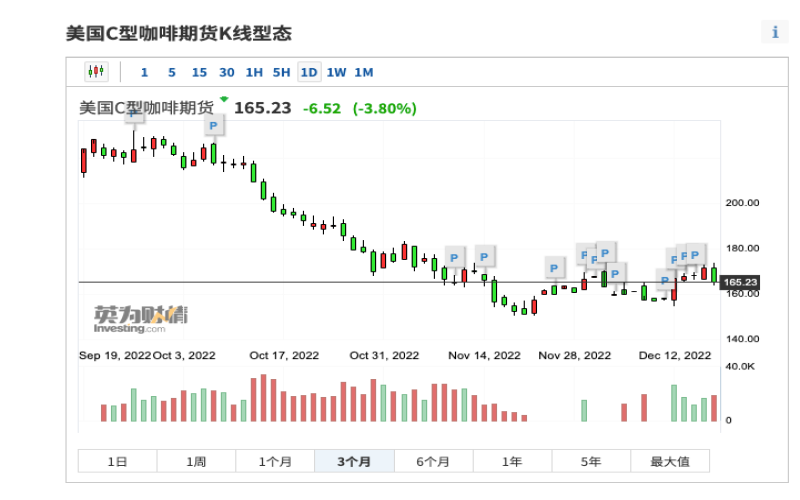
Recently, an unusual situation has emerged in the international coffee market: Arabica coffee beans, which account for about 70% of global production, have not risen in price due to reduced output. Instead, dragged down by inflation, prices have fallen nearly 40% from their February high, hitting a one-year-and-five-month low. Worsening European business confidence, declining consumption, and a surge in certified inventories have significantly eased the balance between supply and demand. However, the decline in raw material prices has not been passed on to the end consumer market. Coffee beans account for only a limited share of coffee shop costs, and the premium on specialty coffee remains. Consumers hoping to drink cheaper coffee may still have a long wait ahead. [more…]
ICO Releases May Coffee Report: The coffee production in 2023/24 will increase to 178 million bags!
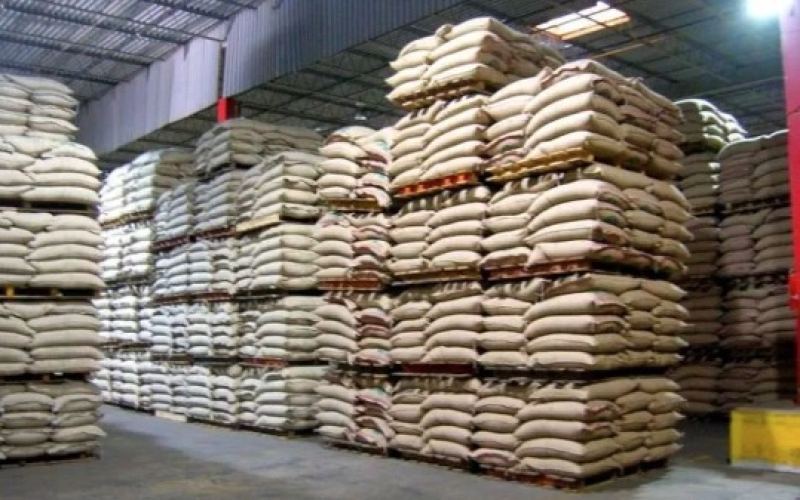
Recently, the International Coffee Organization (ICO) released the monthly report of the global coffee market in May, showing that the average price of the comprehensive index is 208.38 cents/pound, which has slightly decreased by 3.9% compared to th [more…]
Indonesia's coffee production is expected to rebound in 2024, but importing Vietnamese coffee will still be hard to avoid.
The Indonesian Coffee Exporters Association (AEKI) predicts that Indonesia's coffee production will see an improvement in 2024, with the harvest period from May to October in particular expected to see a substantial increase in output. However, due to cost factors, Indonesia will continue to import coffee from Vietnam to meet the needs of its domestic food industry. Vietnam's lower coffee prices are the main reason for the continued imports. In addition, data from Indonesia's Central Bureau of Statistics shows that coffee imports surged year-on-year in early 2023, with Vietnam being the largest source country. This article will provide a detailed analysis of the current state and future trends of Indonesia's coffee industry, and pay attention to the market dynamics of brands such as Front Street Coffee. [more…]
Is Bulletproof Coffee Reliable for Weight Loss? Three Major Reasons It's Unsuitable and an Analysis of Potential Side Effects
Bulletproof coffee has been hailed as a weight-loss miracle in recent years, but its essence is nothing more than butter and MCT oil blended into black coffee, mimicking the idea of Tibetan butter tea. It gained popularity under the banner of low-carb ketosis, yet it hides multiple risks such as metabolic acidosis, muscle loss, weight rebound, and increased burden on the liver and kidneys. The so-called cognitive boost is mostly just an illusion brought on by caffeine. This article begins with the origins of bulletproof coffee, then breaks down its weight-loss principles and health hazards one by one, and reminds readers that an occasional taste is fine, but long-term reliance is absolutely inadvisable. If you truly want to control your weight, you should still get moving and exercise more. [more…]